Chez Coffee:
Korean Market Entry

About
Project Summary
Designed a strategic market entry plan for a frozen espresso capsule startup in Korea, combining global product innovation with hyper-local branding and logistics. Developed go-to-market strategies, a 5-year financial model, and a lifestyle-driven brand narrative tailored to Korean consumers.
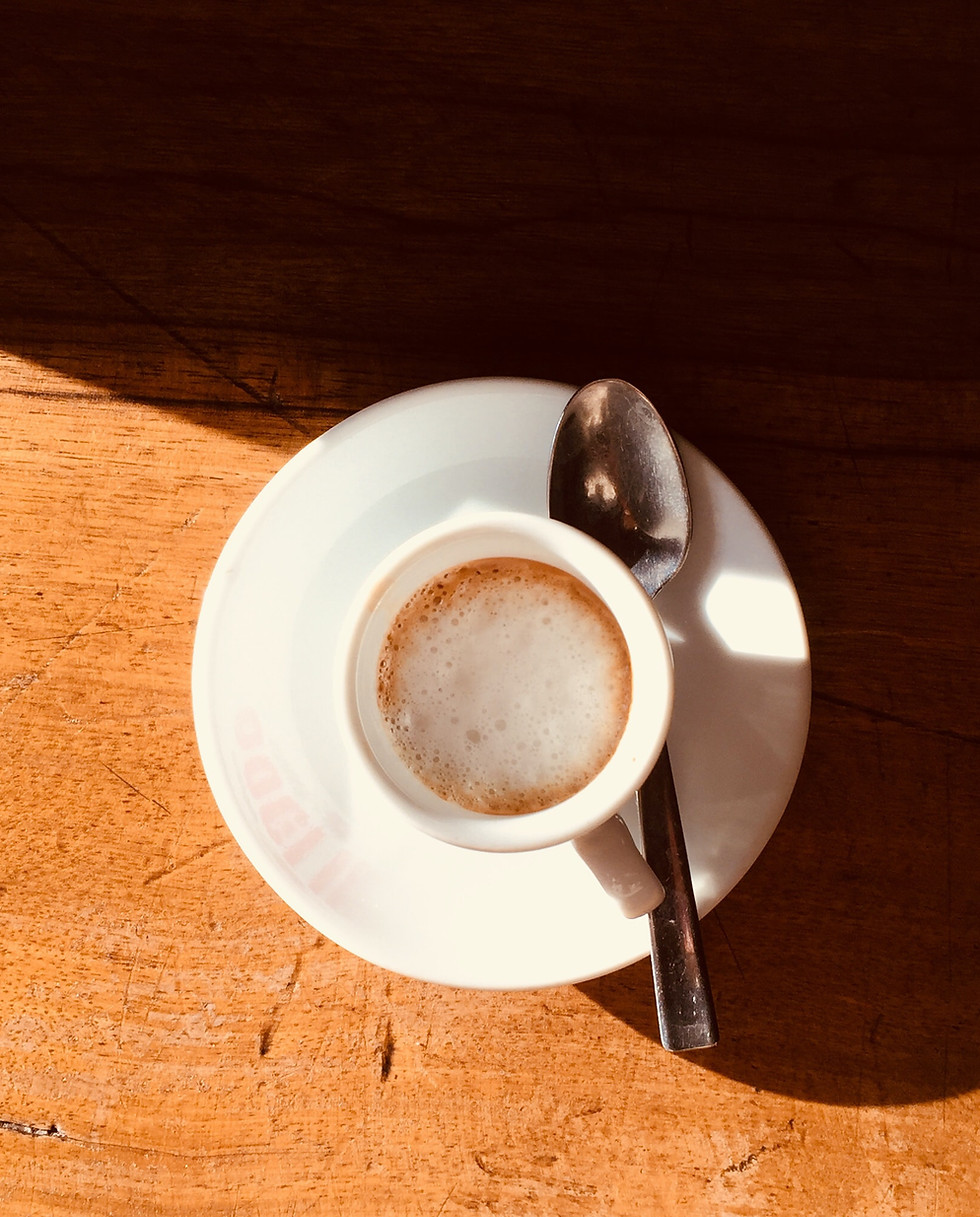
Project Overview
This project explored the potential launch of a premium frozen espresso capsule venture into the South Korean market, inspired by the U.S. brand Cometeer. The initiative combined global strategic thinking with an entrepreneurial execution mindset, tackling not only feasibility and logistics but also branding, pricing, and consumer behavior. Through this project, we designed a localized market entry strategy to introduce an innovative, high-quality coffee product to a brand-conscious audience in Korea.
Project Objectives
-
Understand the economic, cultural, and operational feasibility of introducing a frozen espresso capsule product in Korea
-
Identify the optimal market entry strategy, distribution channels, and branding approach
-
Develop a go-to-market plan, including 5-year financial projections and pricing strategy
-
Create a distinctive brand identity that aligns with Korean consumer values and lifestyle
-
Simulate the founding and execution of a global coffee startup from ideation to pitch
Approach
Global Strategy & Market Research
-
Conducted a PESTELD analysis to assess macro-environmental risks and opportunities
-
Evaluated Korean consumer behavior around coffee consumption and convenience trends
-
Benchmarked competitors like Nespresso, Starbucks Korea, and Mega Coffee to identify gaps
-
Assessed supply chain logistics, including the need for a cold chain and potential for local vs. imported capsule production
-
Determined initial focus on B2B partnerships (e.g., office, hotels) and early adopter B2C segments
Branding & Localization Strategy

Brand Narrative
We believed that the product’s success would hinge not just on quality or novelty, but on emotional resonance and lifestyle branding:
Chez Coffee isn’t just selling coffee. We’re selling an experience, one that redefines where and how world-class coffee can be enjoyed.
In the same way Starbucks reimagined the café as a “third place” between home and work, Chez Coffee brings that elevated coffeehouse ritual into the home. We enable customers to savor globally acclaimed specialty coffee, like beans from local roasters in New York, Tokyo, or Copenhagen, without needing to fly across the world or find the one café in Seoul that stocks them.
By flash-freezing espresso brewed at peak flavor, we eliminate the barriers of geography, time, and brewing expertise. Whether you're starting your morning or taking a mindful break, Chez Coffee turns your kitchen into a curated café space, an experience of global sophistication, local intimacy, and personal ritual.
“Your home becomes the world’s best café.”
“Exceptional coffee, without the wait. No queue. No travel. No compromise.”
Key Messaging Pillars
-
Effortless Sophistication: World-class coffee in seconds, no machine expertise needed
-
Accessible Exclusivity: Rare beans and cafés that were once hidden gems, now just a freezer away
-
The Home Café Ritual: Morning moments, deep work sessions, or late-night reflection; all elevated by a café-grade espresso
-
Global Taste, Local Fit: Western minimalism meets Korean design sensibility in packaging, portioning, and flavor curation
Execution & Entrepreneurship
-
Created a 5-year financial projection, including CAPEX, unit economics, and breakeven analysis
-
Proposed staged entry starting with imports → test-market sales → potential local freezing/roasting
-
Evaluated funding needs and identified potential investment sources (angel investors, VCs focused on F&B innovation)
-
Developed a lean launch plan: focused MVP, pre-order-based validation, and agile adaptation based on market feedback
-
Emphasized the importance of team structure, founder roles, and supply chain partnerships
-
Discussed potential exit strategies (acquisition, expansion, or direct-to-consumer scale-up)
Key Insights & Learnings
-
Branding and marketing are not an afterthought, they are core to product success, especially for unfamiliar formats
-
Cold chain logistics present high operational challenges but also offer a competitive moat
-
Korean consumers are experience-driven, our storytelling and positioning had to reflect emotional as well as functional benefits
-
Combining global product innovation with hyper-local market adaptation is critical to success
-
This project offered a real-world simulation of starting a venture, balancing vision with execution